Heifer Tetris: Everybody Plays, Nobody Wins
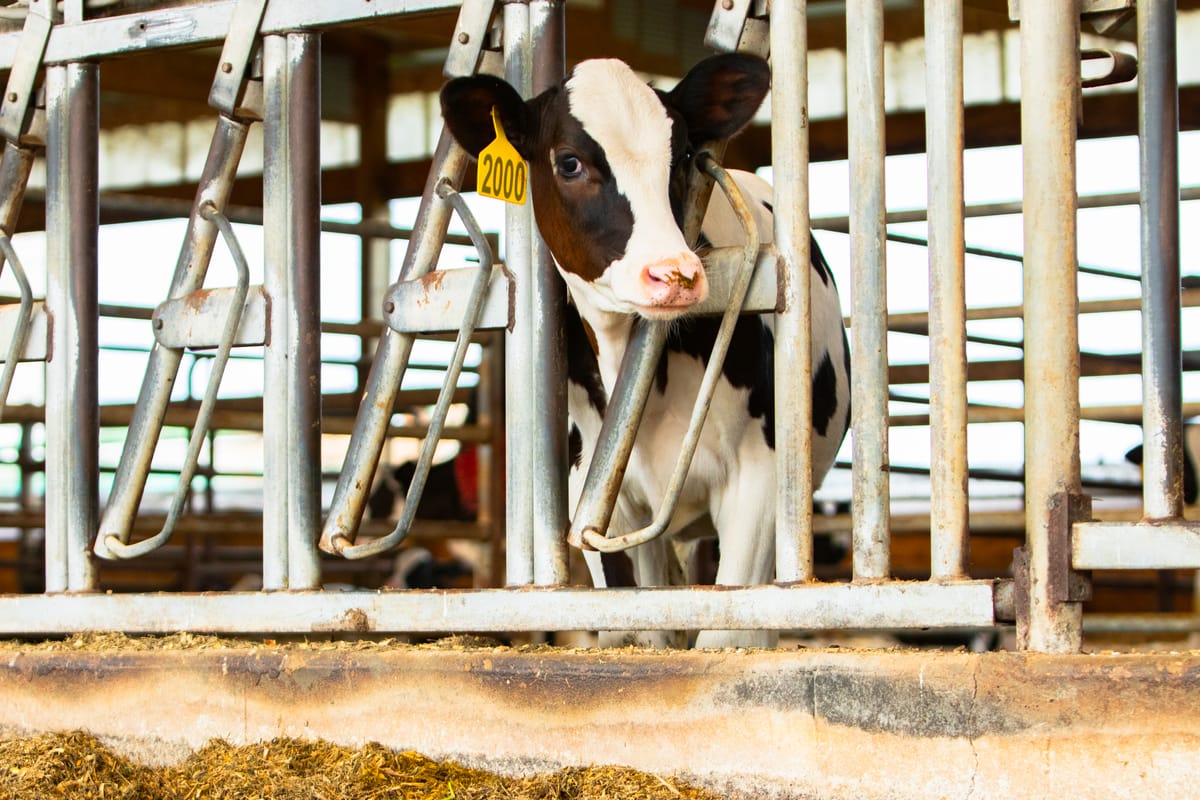
It’s pretty safe to say that everyone has played (or at least heard of) the game Tetris. There’s something satisfying, and a little stressful, about getting all the pieces in place before space runs out. Apply this same concept to heifer pens, and many farms have played ‘heifer Tetris’ a time or two. As long as they all fit in the pen and the gate can shut, did you win the round?
No, not really. Tetris is fun when it’s shapes on the computer, but not so much in a heifer pen.
The current realities for number of replacement animals and available facility space mean that overcrowding is a common theme in heifer raising. It’s often thought of as a temporary discomfort, or an overlooked area of management because these animals are not lactating, but the same stressors that plague overstocked cows do show up in the heifer pens. While they are a bit more resilient than older cows, it still doesn’t help to set heifers up for success. Stress caused by heifer overcrowding can result in injuries, illness, decreased DMI, inhibited growth, delayed puberty, and reproduction issues. Think about looking in a pen and noticing that a 4-month-old and 8-month-old heifer standing next to each other are the same size, or watching smaller animals get easily turfed out of the feed bunk or a stall. A heifer that falls behind developmentally faces future consequences in her reproductive and production trajectory, which translates to less of a return on investment if she fails to get pregnant or is culled before she can calve in.
Realistically, we often have to work with what we’ve got in terms of facilities, which sometimes were never intended to have heifers in them. Even when there’s not much room at the inn, or if you’re retrofitting some facilities for heifer space, here are some things to consider to make sure everyone fits.
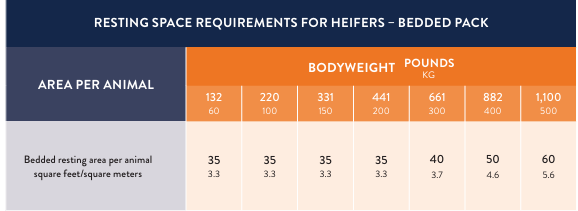
Bedded Packs: For animals housed on bedded packs (recommended for heifers under 400 lb), the table below contains the Dairy Calf and Heifer Association’s Gold Standards for lying space (ft2) based on bodyweight:
Stall Size: To win Tetris, the pieces have to fit in the correct space, and heifers have to be able to fit in their stall. This means matching up groups of animals to appropriately-sized stalls, not just hoping they make do with what they have. Stalls should be sized to accommodate the largest animal in the group. If stalls are too small, heifers will lie down in the alley or spend most of their time standing. Some aspects of stalls like neck rail distance/height and brisket board distance from the rear curb are easier to adjust, so check those first to see if anything needs tweaking.
Recommended stall dimensions (width & length) for Holstein heifers by approximate age & weight:
· 400-600 lb (6-10 months): 34 x 80”
· 600-800 lb (11-13 months): 38 x 88”
· 800-1000 lb (14-16 months): 42 x 96”
· 1000-1200 lb (17-21 months): 45 x 108”
Grouping heifers and dry cows may save space, but increases risk of competition, injury, and stress for the young animals.
Stocking Density: A round of Tetris is only over when all of the available pieces have a place to go, and none are left floating around. A stocking density of 1:1 (1 cow/stall) for heifers is recommended. Overstocking results in competition for stalls, decreased feeding space at the bunk, and compromises hygiene. Speaking of…
Facility Hygiene: How often have you thought “when was the last time we cleaned out the heifer barn?” The more animals in the pens, the more frequently they will need cleaning. Stalls and packs should always be dry and well-bedded (yes, heifers need bedding), and alleys scraped regularly to keep manure from pooling. Clean and fresh water must be always available.
Ventilation: Air quality is critical to prevent respiratory disease and scours, especially in facilities housing heifers of various ages. Make sure curtains and mechanical ventilation (if present) are functioning properly, sidewalls or windows are not blocked by equipment or other storage, and that fresh air flows through the barn without creating a draft (especially in the winter).
Not sure where to put the next piece, or having a hard time getting to the next level? Your Poulin Grain nutrition and youngstock specialist team are always willing to be your cheat code.
~Written by Cari Reynolds, PhD, MPH — Youngstock Management & Welfare Consultant